
CS@W&M Welcomes Two New Faculty
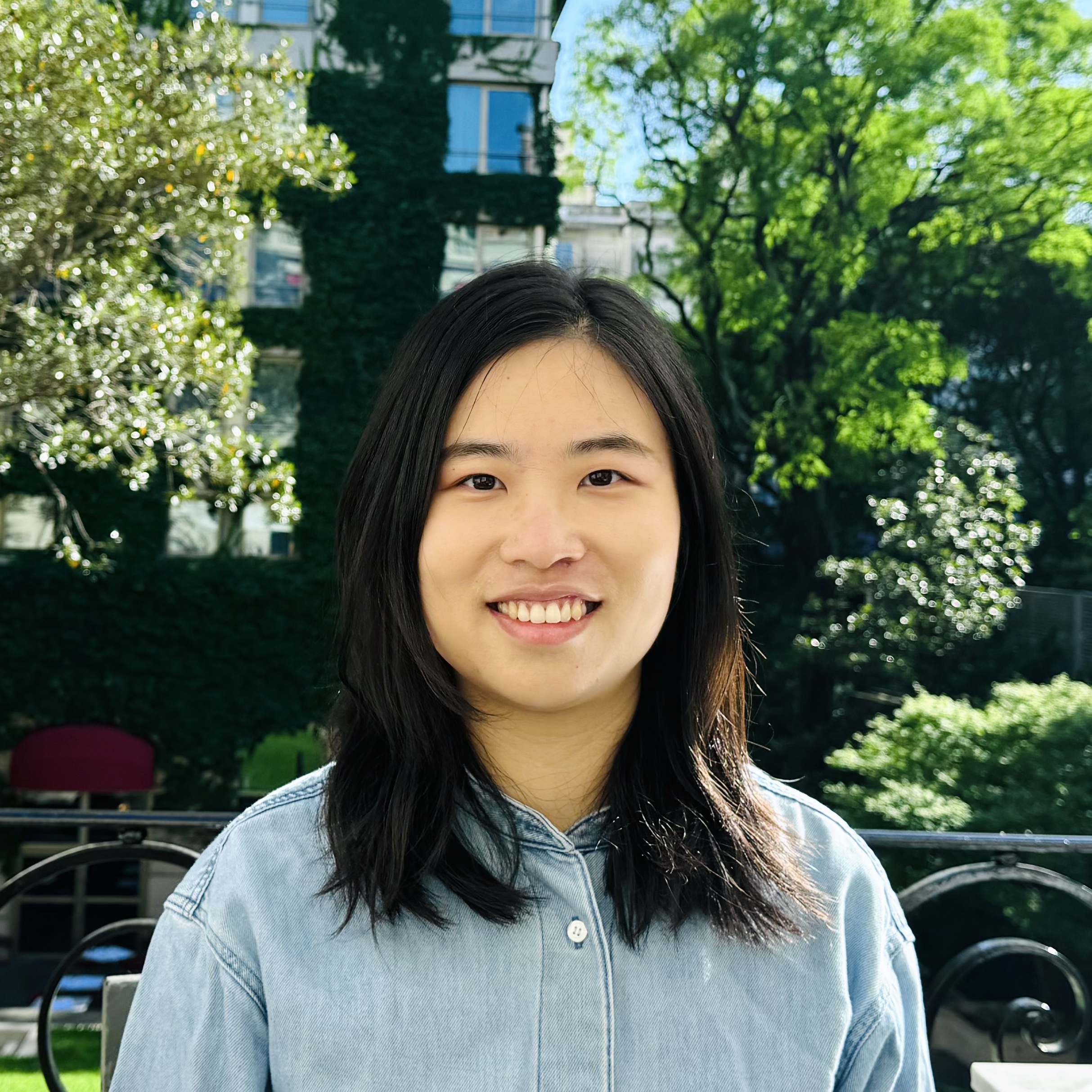
Yaxin Hu
Yaxin is an Assistant Professor of Computer Science at William &
Mary. Her research lies at the intersection of human-robot interaction
(HRI) and accessibility, where she designs and builds novel robotic
technologies that meaningfully impact people's lives and integrate
into everyday environments. She envisions a future where robots serve
multifaceted roles as tools, conduits, and social actors in our daily
lives and support people in need. With an interdisciplinary
perspective that combines computer science, communication, and design,
her research seeks to imagine, shape, and critically examine that
future. Her work has been published in leading HCI and robotics venues
such as ACM CHI, HRI, ASSETS, DIS, and UIST. Before joining William &
Mary, Yaxin earned her Ph.D. in Computer Sciences from the University
of Wisconsin–Madison. She also received her master's degree from
Carnegie Mellon University and her bachelor's degree from The Chinese
University of Hong Kong.
In Fall 2026, Yaxin will be teaching CSCI 680: Topics in Computer
Science: Human Robot Interaction. This graduate-level course will
introduce the major theories, research methods, and emerging topics in
Human Robot Interaction. Students will explore a broad range of HRI
domains, including social robots, assistive robots, telepresence
robots, and human-robot collaboration.
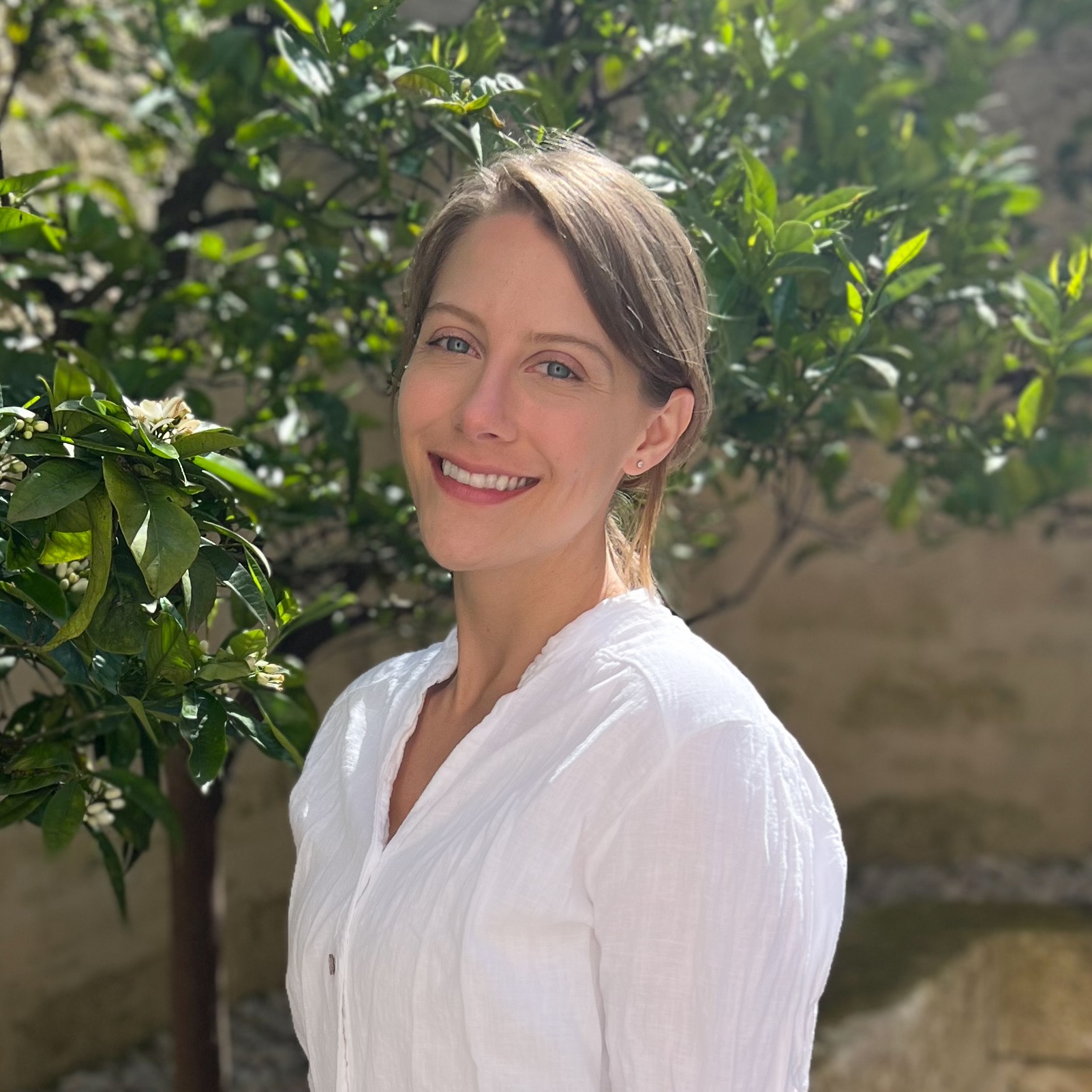
Stephanie Schoch
Stephanie is joining the Department of Computer Science at
William & Mary as an Assistant Professor in Fall 2026. She earned her
Ph.D. in Computer Science from the University of Virginia in 2026,
where she conducted research in data-centric natural language
processing. Prior to that, she earned an M.C.S. in Computer Science
from the University of Virginia and a B.S. in Computer Science and
Psychology from St. Mary's College of Maryland. Her research studies
how the quality, structure, and selection of data shape model behavior
and performance, with an emphasis on large language models. Her work
has been published in leading venues such as the Conference on Neural
Information Processing Systems (NeurIPS) and the Conference on
Empirical Methods in Natural Language Processing (EMNLP), and she has
co-organized a NeurIPS tutorial on data contribution estimation for
machine learning.