
Undergraduate
What is Bioengineering?
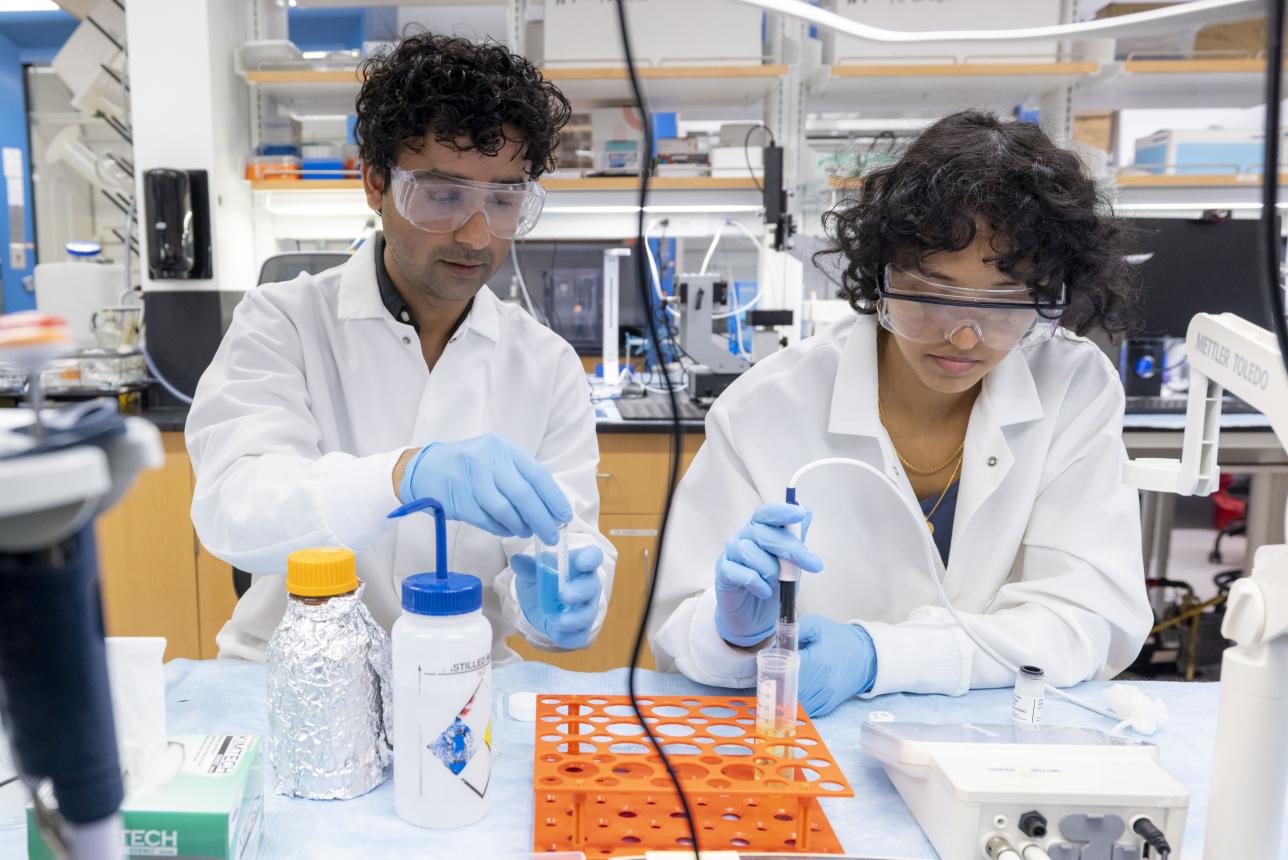
Bioengineering is a broad and rapidly growing field that applies design-thinking principles to opportunities emerging in the life sciences. Distinct from the narrower field of biomedical engineering, bioengineering requires people who can think simultaneously like scientists, engineers and innovators to solve problems across human health, the environment, agriculture, consumer products and industry.
Bioengineering in Action
Human Health
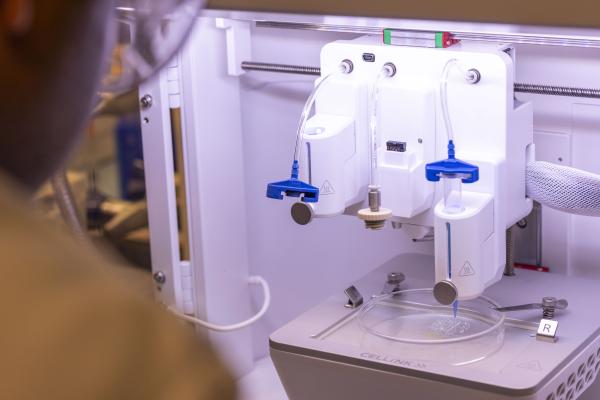
Design next-generation "smart drugs", biomaterials and drug delivery systems that help the body repair and regenerate.

Conservation
Engineer living systems to help clean waterways, restore ecosystems and create sustainable fuels.
Agriculture
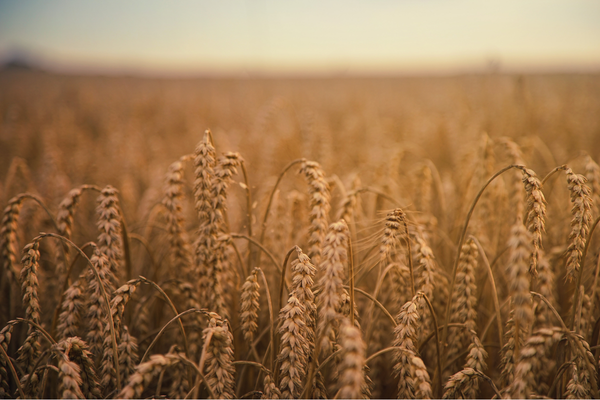
Engineer solutions to improve crop resilience, enhance nutritional value, and reduce the environmental footprint of farming.

Stronger Materials
Use biological materials and natural design principles to create stronger, lighter and more sustainable products.
Bioengineering Degrees
These degrees will be available starting in Fall 2027
-
Bachelor of Science
Designed for students pursuing careers as practicing bioengineers or planning graduate study in engineering. Students will complete one of two concentrations – Biomaterials or Biomolecular Engineering – that provide specialized preparation for engineering careers.
-
Bachelor of Arts
Provides greater flexibility for students whose ambitions extend beyond traditional engineering roles or are interested in pursuing double majors, medical school or other professional degrees.
Hands-On Learning Embedded Throughout the Program
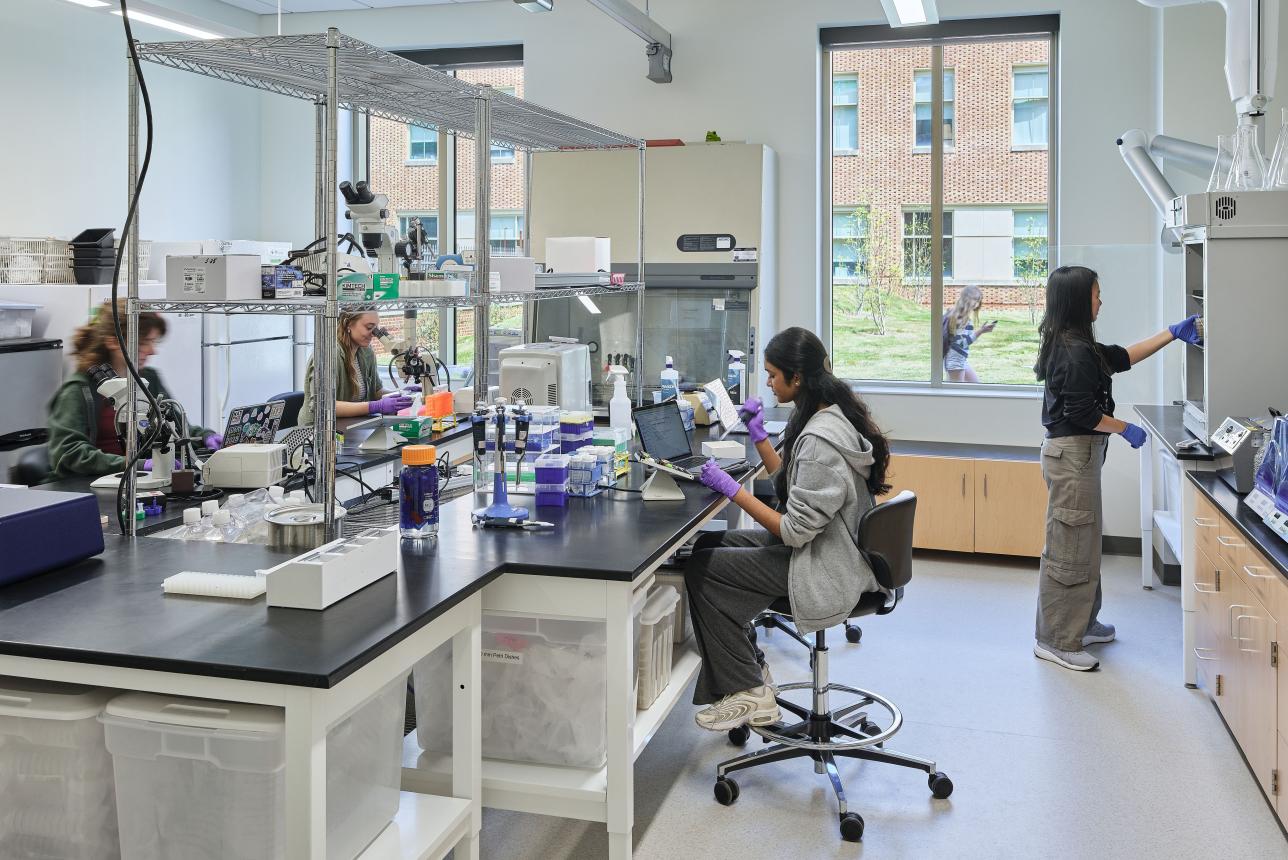
Hands-on learning is at the heart of the Bioengineering program, with applied experiences integrated into every semester of every year of the program.
Students complete a sequence of engineering design courses that progressively build skills in laboratory methods, instrumentation, quantitative analysis and teamwork before culminating in a yearlong collaborative capstone project. Beyond the classroom, students can conduct research alongside faculty mentors or participate in William & Mary's iGEM team.