
W&M students awarded fellowships to continue graduate studies
 |
 |
 |
 |
Several undergraduate and graduate students in the School of Computing, Data Sciences & Physics were recently awarded fellowships to pursue their master’s or doctoral degree.
National Science Foundation Graduate Research Fellowship
Two students were awarded the National Science Foundation Graduate Research Fellowship. The fellowship supports students pursuing either a masters or doctoral degree in a STEM field and is intended to support the future of the scientific and engineering workforce in the United States. Fellows receive an annual stipend of $37,000 for three years in addition to a $16,000 cost-of-education allowance.
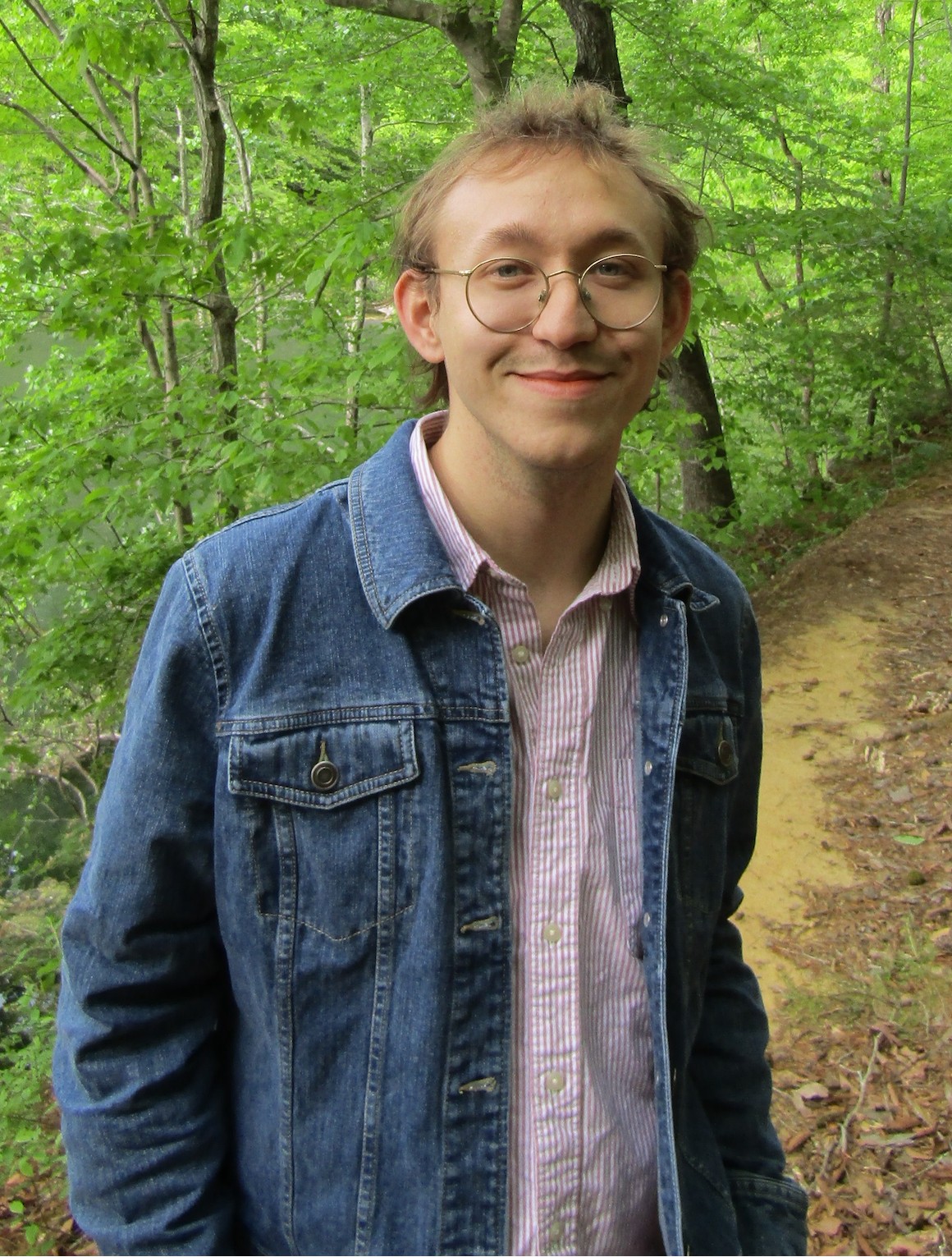
Ben Steinman, a physics and religious studies double-major, will be researching light-matter interaction at UC Berkeley.
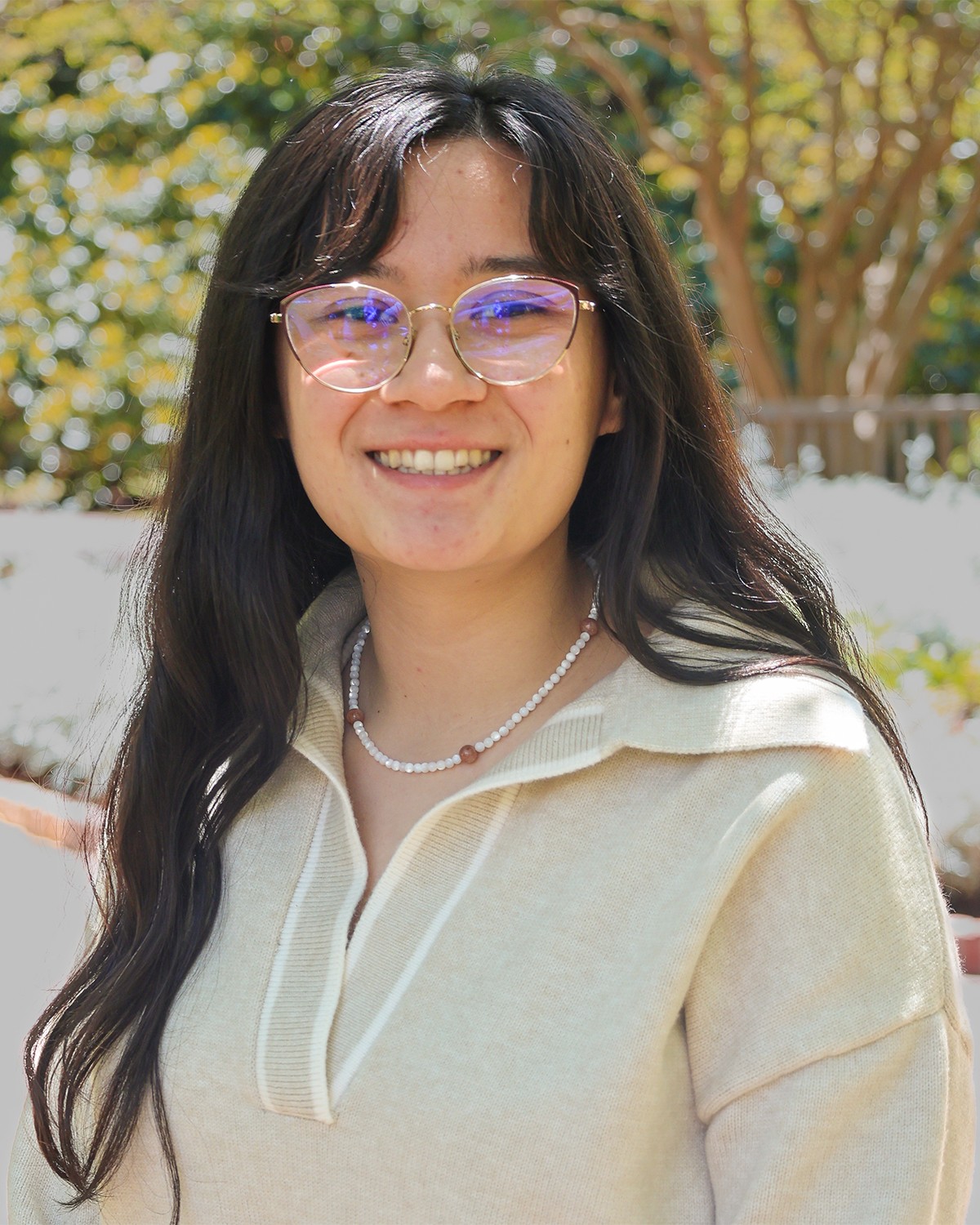
Kalea Wen, a physics major, will be studying trapped ion quantum computing at the University of Maryland.
Virginia Space Grant Consortium Graduate Research STEM Fellowship
Two current graduate students within the School of Computing, Data Sciences & Physics were awarded the Graduate Research STEM Fellowship from the Virginia Space Grant Consortium (VSGC). The fellowship supports STEM graduate students that are actively conducting research that has relevance to NASA or aerospace.
The $6,000 awards are granted annually and may be renewed for a second year based on academic and research progress. To strengthen overall graduate support, fellows must also secure at least $6,000 in matching funds from their academic department, with the program designed to complement existing assistantships, scholarships and other non-federal funding sources.
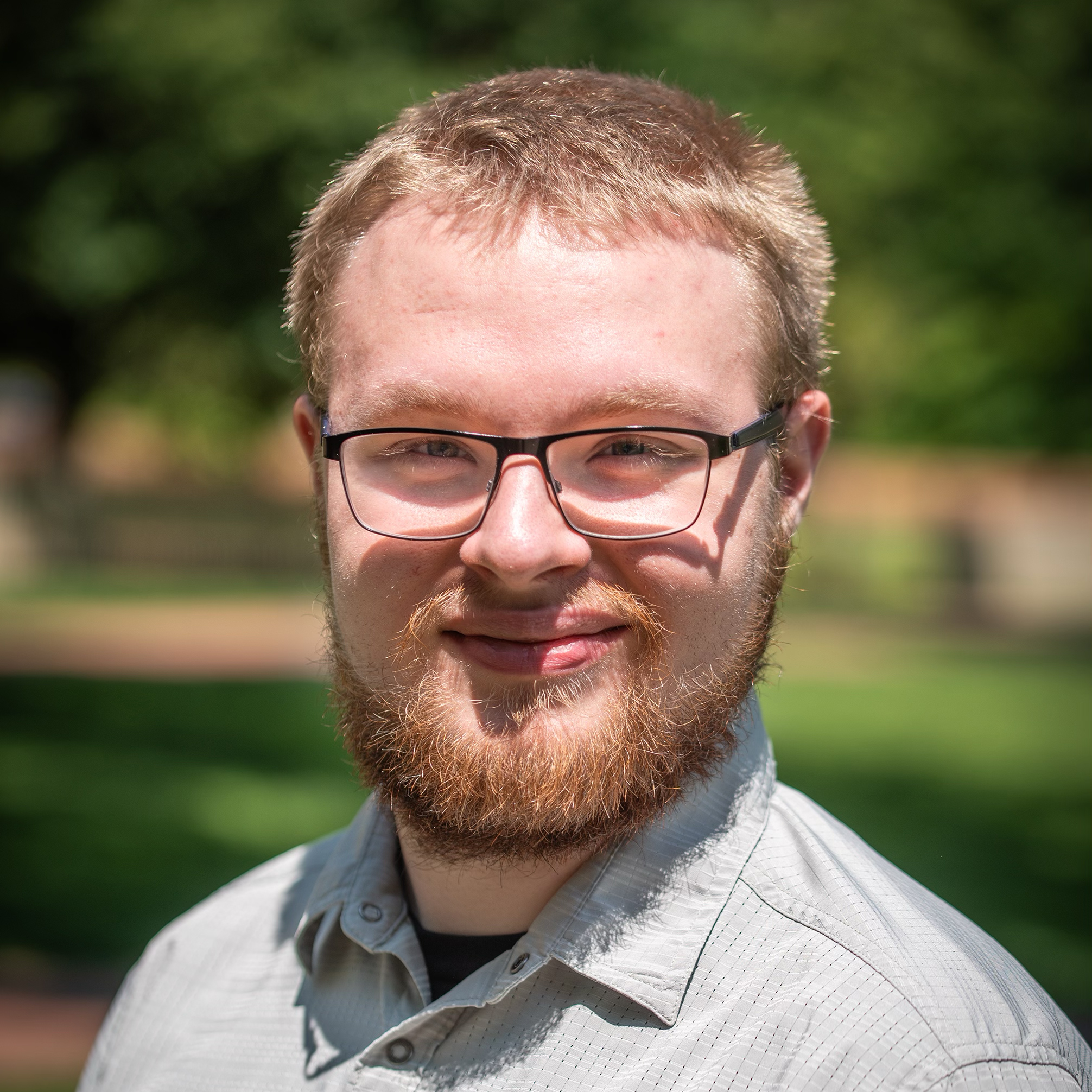
This is the second year of the fellowship for Collin MacDonald, a computer science PhD candidate. During his first year, MacDonald examined challenges in the adoption and use of Android’s application security framework. His paper, “AttestLens: A Large-Scale Measurement of Play Integrity Adoption in Android Apps”, was accepted for this summer's ACM Conference on Security and Privacy in Wireless and Mobile Networks in Germany. Building on this work, MacDonald now aims to design a new security framework that helps Android apps safely authorize sensitive actions, such as mobile banking transactions. His research seeks to strengthen protections for both users and developers, contributing to a more secure Android ecosystem.
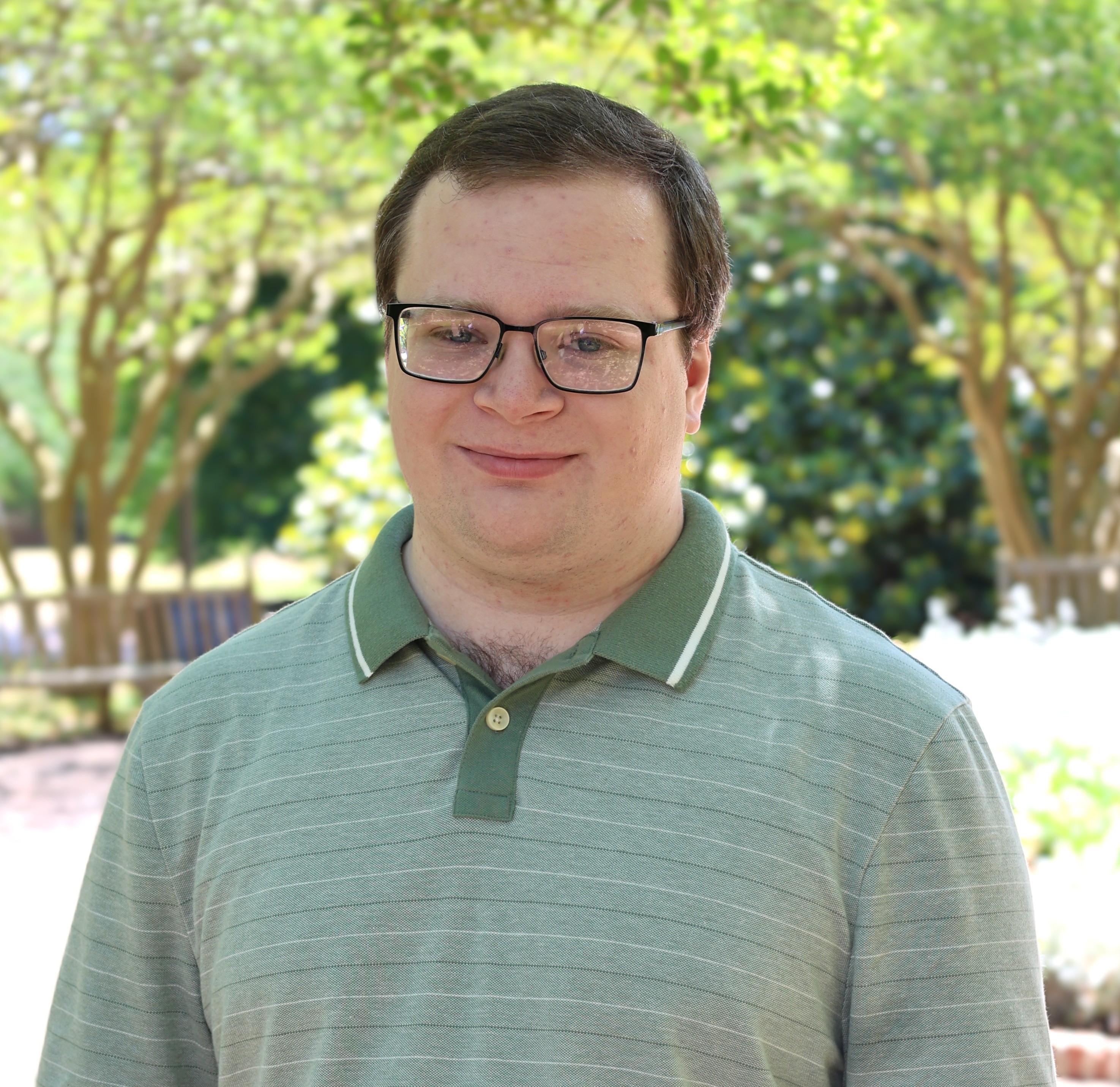
Nathan Wintersgill, a computer science PhD candidate, is in his first year as a fellowship recipient. His research seeks to make AI systems more transparent, accountable, and easier for both experts and the public to understand. He aims to develop a multi-agent system that automatically creates clear, reliable “model cards”, or documents that explain how AI models work, what data they use and what risks or biases they may carry. By improving the quality and consistency of this information, the work will help organizations like NASA safely use and share AI tools while identifying potential ethical or technical concerns.
Founded in 1989 as part of NASA’s National Space Grant College and Fellowship Program, the VSGC is a statewide partnership of universities, NASA centers, educational agencies and industry organizations that promote STEM education, workforce development and aerospace research across the Commonwealth.